
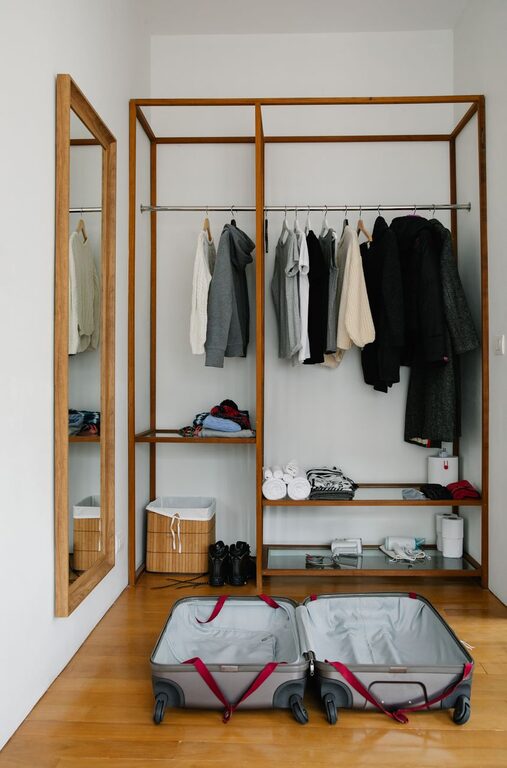
Storing seasonal clothes efficiently can make a big difference in keeping your home organized and your wardrobe in great condition. When the seasons change, it’s tempting to just shove away out-of-season clothes into any available space. However, thoughtfully storing these items not only saves space but also helps preserve your clothes for years to come.
In this post, you’ll find practical tips and creative ideas to store your seasonal clothes effectively, ensuring they’re easy to access and well cared for until you need them again.
Why Proper Storage Matters
Before diving into storage tips, it’s important to understand why storing clothes properly is essential:
– Prevents damage: Clothes can get wrinkled, stained, or develop mildew if stored improperly.
– Saves space: Efficient storage methods maximize closet and storage area space.
– Makes transitions easier: Organized seasonal clothes make switching wardrobes less stressful.
– Protects your investment: Proper care extends the life of your garments.
Preparing Clothes for Storage
Before tucking your seasonal garments away, take some time to prepare them. This will help prevent damage and ensure they’re ready to wear when the season changes again.
1. Clean Everything
Wash or dry clean clothes before storing. Dirt, sweat, and oils can attract pests and cause stains to set permanently during storage.
2. Repair Damages
Check for missing buttons, broken zippers, or small tears and fix them. It’s easier to mend clothes before storing than after they’ve been packed away.
3. Dry Clothes Completely
Ensure all items are completely dry before storage to prevent mildew or mold growth.
4. Sort and Declutter
Take this opportunity to sort your wardrobe. Donate, sell, or recycle clothes you no longer wear to reduce the volume that needs storing.
Choosing the Right Storage Solutions
Depending on your available space and budget, there are various storage options suited for seasonal clothes. Here are some popular choices:
1. Vacuum-Sealed Bags
– Great for bulky items like coats and sweaters.
– Compresses clothes to save space.
– Protects from moisture, dust, and insects.
– Note: Avoid storing delicate fabrics that can get crushed.
2. Plastic Storage Bins
– Durable and stackable for easy organization.
– Clear bins help you quickly identify contents.
– Use bins with tight-fitting lids to keep out pests.
3. Fabric Storage Bags
– Breathable options that protect from dust.
– Ideal for delicate fabrics.
4. Drawer or Under-Bed Organizers
– Utilize under-bed space for flat storage.
– Convenient for smaller items like scarves and gloves.
5. Hanging Storage Solutions
– Use garment bags for dresses and suits.
– Keeps clothes wrinkle-free.
– Ideal if you have extra hanging space in a closet.
Tips for Efficient Storage
To get the most out of your seasonal clothes storage, follow these helpful tips:
Use Cedar or Lavender
Add cedar blocks or lavender sachets to deter moths naturally and keep clothes smelling fresh.
Label Everything
Clearly label bins and bags to avoid digging through everything to find a specific item. Use tags or masking tape and a marker.
Store Similar Items Together
Group clothes by type (e.g., sweaters, jackets, accessories) to make finding things easier.
Keep Storage Areas Clean and Dry
Avoid damp basements or unventilated attics, as moisture can damage fabrics.
Don’t Overpack
Leave some breathing room in containers to prevent wrinkles and fabric stress.
Fold Clothes Properly
Learn folding techniques that minimize creases and save space, such as rolling t-shirts or folding sweaters flat.
Seasonal Clothes Storage Checklist
Here’s a quick checklist to ensure you don’t miss any important steps:
– [ ] Wash or dry clean clothes before storage
– [ ] Repair any damage
– [ ] Ensure clothes are fully dry
– [ ] Declutter and sort garments
– [ ] Choose appropriate storage containers
– [ ] Add moth repellents like cedar or lavender
– [ ] Label all storage containers
– [ ] Store in a clean, dry, and ventilated spot
– [ ] Organize by type or outfit
When It’s Time to Rotate Your Wardrobe
Switching out your seasonal clothes is the perfect time to reassess your wardrobe. Check stored clothes for any signs of damage or musty smells. This is also a good reminder to donate items you haven’t worn in a while.
Consider scheduling seasonal wardrobe rotations every 3 to 4 months to keep your closet manageable and fresh.
Final Thoughts
Efficiently storing your seasonal clothes can save you time, space, and money. By following these preparation and storage tips, you’ll protect your garments and enjoy a clutter-free home. Whether you choose vacuum bags, storage bins, or hanging garment bags, the key is to keep your clothes clean, dry, and organized.
Start your seasonal storage process today and experience an easier, more enjoyable wardrobe transition every time the seasons change!